Deposit Address Whitelisting: How It Improves Wallet Safety?
Deposit address whitelisting is an account-level safety feature that lets you approve specific wallet addresses before your crypto can be sent to them.
Deposit address whitelisting is an account-level safety feature that lets you approve specific wallet addresses before your crypto can be sent to them. In practice, it creates a trusted list of destinations for withdrawals or transfers, so a new or unapproved address cannot be used immediately from your account.
For crypto casino and gambling users, this matters because payment mistakes are often irreversible. If funds are sent to the wrong wallet, the wrong network, or an address added during an account compromise, recovery may be difficult or impossible. Whitelisting does not solve every security problem, but it can reduce avoidable transfer errors and add another checkpoint before money leaves your account.
What deposit address whitelisting means in crypto payments
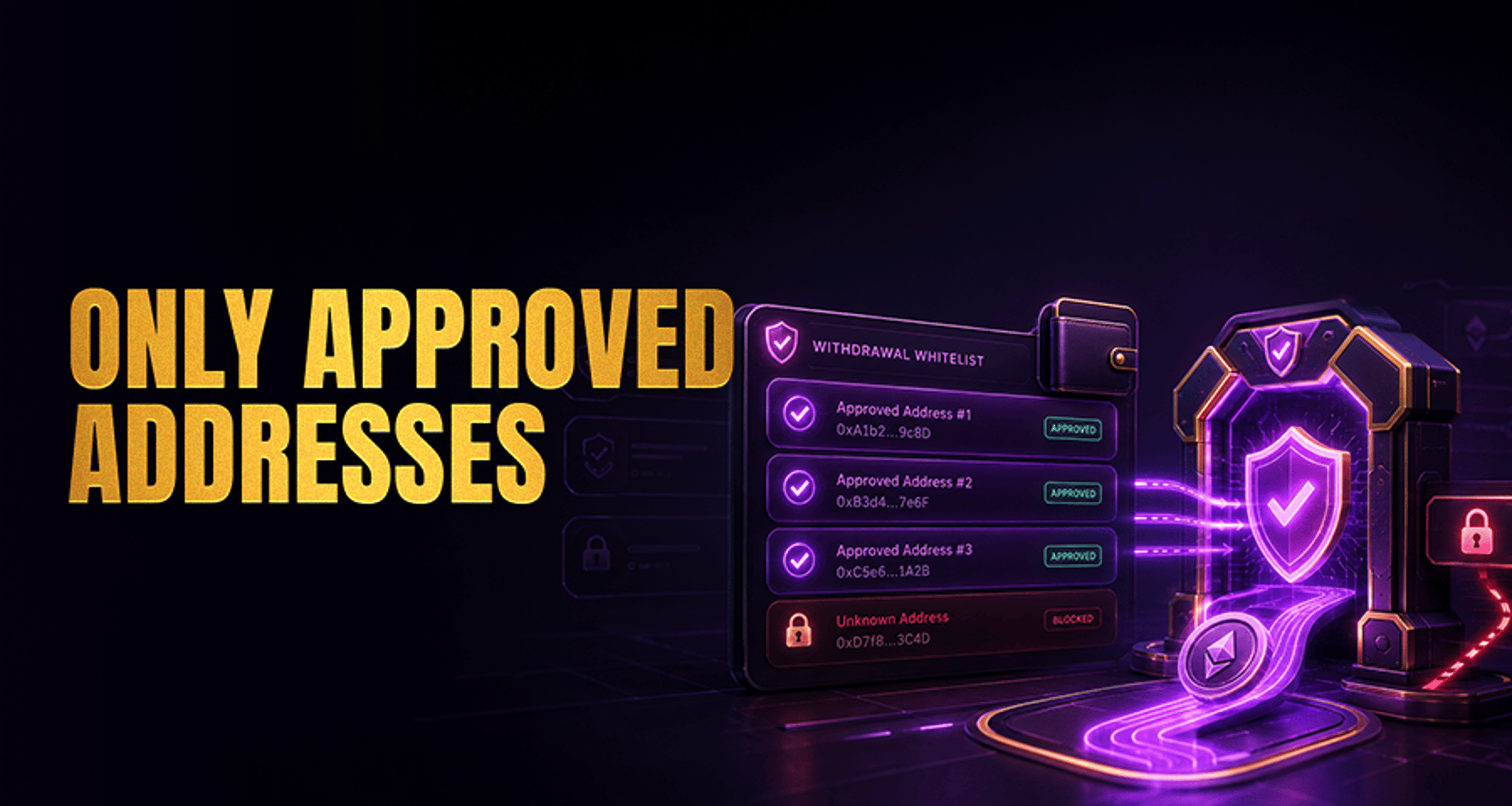
Deposit address whitelisting usually refers to a platform feature that restricts where crypto withdrawals can be sent. You create a list of approved wallet addresses, and the platform only allows transfers to those saved destinations after verification.
Although the phrase can sound like a general wallet-security tool, it is more specific than that. It is not the same as protecting your device, securing your wallet app, or keeping your seed phrase safe. Instead, it controls account-side transfer permissions.
In a typical crypto payment flow, whitelisting works like this:
You add a wallet address to your approved list.
The platform asks you to verify the action, such as through email confirmation, 2FA, or an identity check.
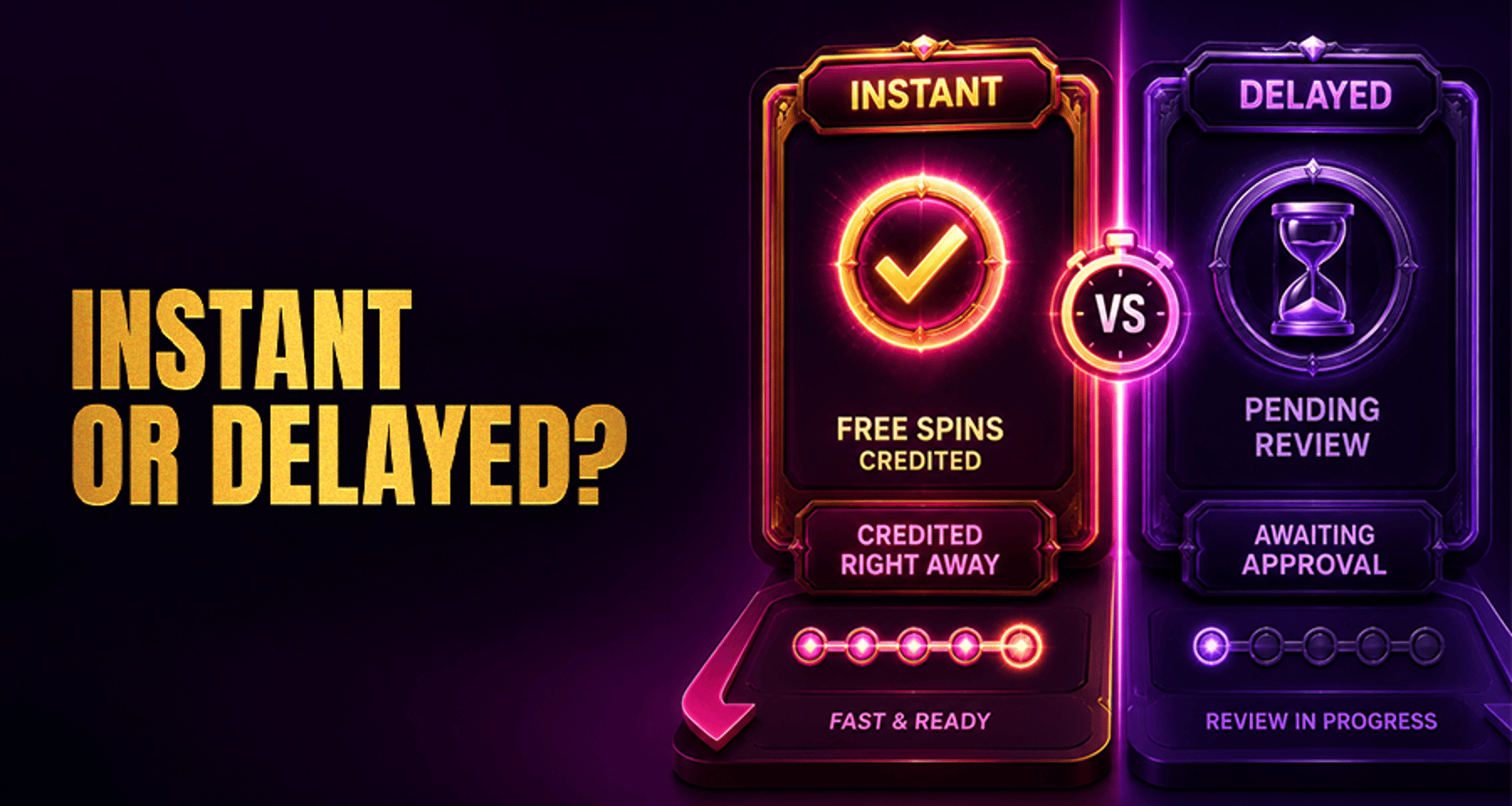
A waiting period or cooldown may apply before the address becomes active.
Once approved, that address can be used for future withdrawals.
Unlisted addresses may be blocked until they go through the same process.
This is most often used for withdrawals, but some users also think about it when organizing deposit and payout destinations across casino accounts and personal wallets. The key point is that whitelisting is about approved destinations, not broader wallet control.
How address whitelisting improves wallet safety
Address whitelisting improves wallet safety by reducing the chance that funds leave your account to the wrong place. It adds friction in a useful way.
Here are the main benefits:
It reduces misdirected transfers
If you regularly move crypto between a gambling platform and one or two personal wallets, saving approved addresses can lower the risk of copying the wrong string, choosing the wrong saved contact, or pasting a destination you did not mean to use.
It limits damage during account compromise
If someone gains access to your casino or exchange account, a whitelist can make it harder for them to add a fresh withdrawal address and move funds immediately. Verification steps and cooldown periods may give you time to notice unusual activity and respond.
It creates a repeatable payout process
Users who already compare speed, fees, and transfer rules across platforms often benefit from a more structured setup. If you are reviewing casino payment methods by speed, safety, and fees, whitelisting fits naturally into that decision-making process because it adds one more layer of control to your payout routine.
It encourages deliberate review
Whitelisting slows down fast decisions. That can feel inconvenient when you want an urgent withdrawal, but it also helps prevent rushed actions under pressure, especially when handling larger balances.
Where whitelisting helps most in deposits and withdrawals
Whitelisting is most helpful when you use the same trusted wallets repeatedly and want tighter control over payout destinations.
Common gambling-related use cases include:
Sending withdrawals from a casino account to your primary self-custody wallet
Using a separate wallet for gambling activity instead of mixing all funds in one place
Managing transfers between a casino, an exchange account, and a personal wallet
Reducing mistakes when handling larger withdrawals that may already be affected by crypto casino transaction limits for withdrawals
It is especially useful for users who move funds often enough that convenience matters, but not so casually that they want new destinations available without review.
For deposits, whitelisting is less often the core feature because deposits usually involve you sending funds into a platform-provided address. Even so, the same mindset applies: use known destinations, verify details carefully, and avoid rushing network selection. If you are choosing between rails, it also helps to understand the best online casino payment methods for fast, safer transactions.
How to set up an approved wallet address list
The exact interface varies by platform, but the process is usually similar.
1. Add the wallet address
Go to the payment, withdrawal, or security section of your account and look for address book, whitelist, or approved withdrawal addresses. Paste the destination wallet address and label it clearly, such as “Main BTC Wallet” or “USDT Wallet on Tron.”
2. Confirm the correct asset and network
This step matters as much as the address itself. A correct wallet string on the wrong network can still lead to problems. Double-check the coin, token standard, and network before saving anything.
3. Complete the verification step
Many platforms require email confirmation, 2FA, or another account-security check before a new address can be approved. Some may also request an additional review for sensitive account changes.
4. Wait through the cooldown period
A waiting period is a common security measure. The point is to stop instant changes from becoming instant withdrawals. Even if your account is accessed by someone else, the delay can provide time to detect the change and act.
5. Use the approved address for future transfers
Once active, the address becomes part of your approved destination list. Future withdrawals are simpler because you can choose from an already reviewed wallet rather than entering a fresh address every time.
What whitelisting does not protect you from
Whitelisting is useful, but its limits are just as important.
It does not:
Guarantee that all funds are safe
Prevent every scam or social-engineering attack
Fix errors caused by selecting the wrong network or wrong asset
Protect a wallet whose seed phrase or private keys are already compromised
Replace broader account security controls
For example, if you personally approve the wrong address, or if you send funds on an unsupported network, whitelisting may not help. It is also less effective if an attacker has enough access to pass your security checks and wait through the cooldown period without being noticed.
That is why whitelisting should be treated as one safeguard inside a larger payment-safety routine, not a complete solution.
Best practices to pair with address whitelisting
To get the most value from whitelisting, combine it with a few simple habits:
Enable 2FA on gambling, exchange, and email accounts
Verify the full wallet address, not just the first and last characters
Confirm the correct blockchain network before every transfer
Use clear labels for each approved wallet
Make a small test transfer before sending a large amount
Review account activity and address-book changes regularly
Keep devices and wallet apps secure
Learn the basics of rapid response if you suspect account exposure, especially after a crypto wallet hack and how to protect your funds fast
Conclusion
Deposit address whitelisting improves wallet safety by restricting crypto withdrawals to approved destinations and adding friction before new addresses can be used. For gambling users, that can reduce common payout mistakes, slow down suspicious account changes, and make routine transfers more controlled.
Still, it is not a guarantee. You still need to verify networks, review wallet details carefully, and use strong account security habits. Before your next crypto deposit or withdrawal, take a few minutes to review your approved addresses, confirm your setup, and make sure your payment routine is built around trusted wallets rather than speed alone.
FAQ
What is deposit address whitelisting in crypto?
It is a feature that lets you pre-approve wallet addresses for withdrawals or transfers. Only listed destinations can be used after the platform’s verification process is completed.
Does address whitelisting make crypto withdrawals safer?
It can make withdrawals safer by reducing accidental sends and making it harder to add a new payout address instantly. However, it does not eliminate all risks.
Can whitelisting stop funds from being sent to the wrong wallet?
It can reduce that risk when you use a reviewed list of approved destinations. But if the approved address itself is wrong, or if you choose the wrong network, problems can still happen.
Is whitelisting used for deposits, withdrawals, or both?
It is most commonly used for withdrawal destinations. In broader conversation, users may also apply the idea to trusted payment routing, but the feature itself is usually tied to outgoing transfers.
Why do some platforms add a waiting period before a new address can be used?
The delay adds protection against rushed mistakes and account takeovers. It prevents someone from adding a new address and withdrawing immediately.
What should I check before adding a wallet to a whitelist?
Check the full wallet address, asset type, blockchain network, wallet ownership, and account verification steps. If possible, make a small test transfer before relying on the address for larger withdrawals.