Why Exchange Withdrawals to Casinos Can Take Longer?
If your crypto transfer to or from a casino is taking longer than expected, the delay is not always caused by the casino itself.
If your crypto transfer to or from a casino is taking longer than expected, the delay is not always caused by the casino itself. In many cases, the slowdown starts at the exchange, continues on the blockchain, or happens only after the casino receives the funds.
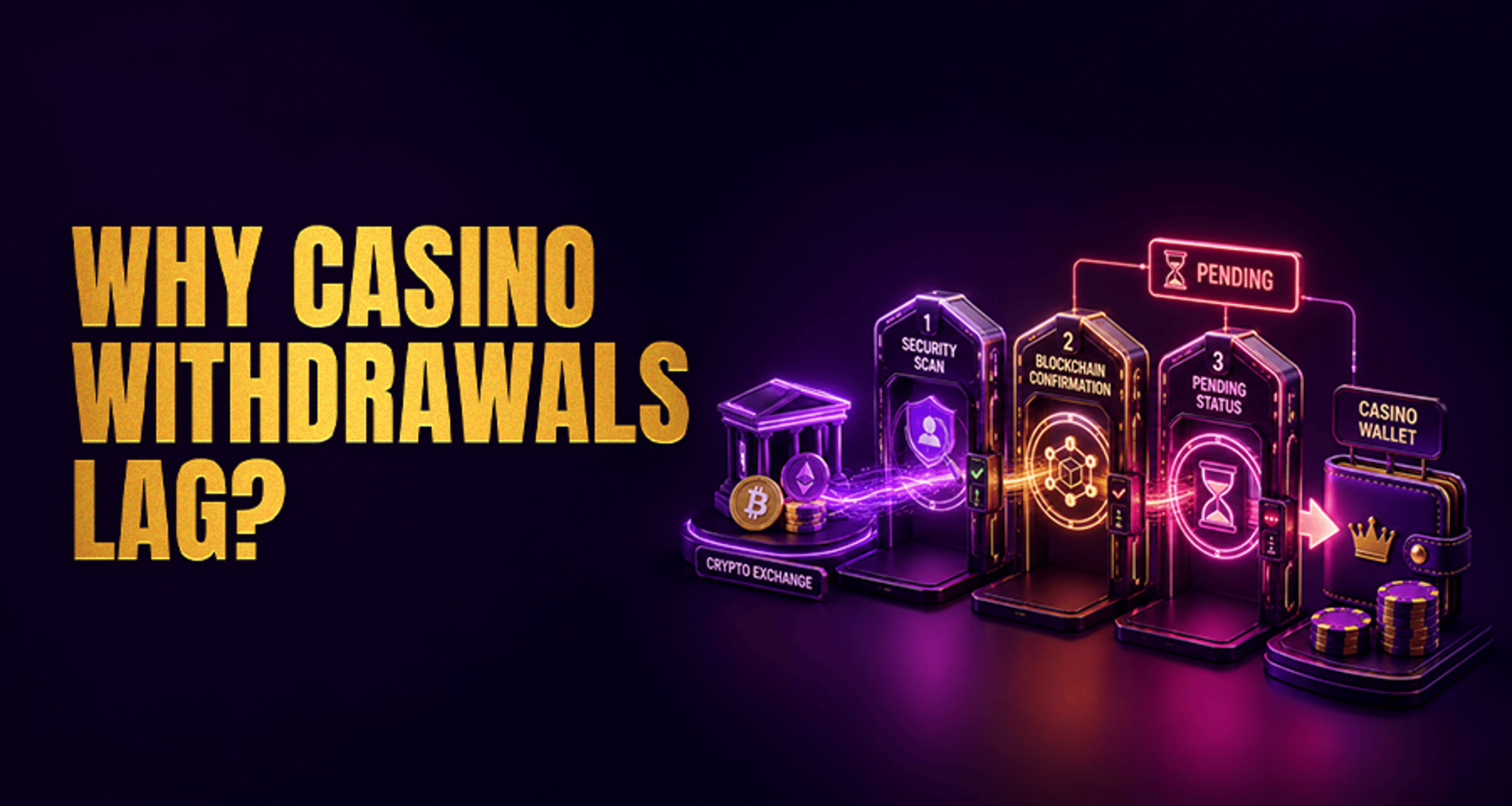
The fastest way to troubleshoot the issue is to identify which stage is actually delayed:
Exchange side: the withdrawal is still pending or under review
Blockchain side: the transaction was sent, but confirmations are still building
Casino side: the transaction is confirmed on-chain, but the casino has not credited or released the funds yet
Understanding that sequence helps you avoid guessing and focus on the right next step.
Why exchange withdrawals to casinos can take longer than expected
Exchange withdrawals linked to casino activity can take longer because exchanges often apply extra review steps before crypto leaves the platform. That does not always mean something is wrong. It usually means the transaction has entered a queue, a risk screen, or a manual review process.
Unlike a normal wallet-to-wallet transfer, an exchange withdrawal may be checked for:
account verification status
unusual withdrawal behavior
destination wallet risk signals
token and network matching
hot wallet liquidity
maintenance or batching schedules
This is one reason withdrawals from an exchange to a casino can sometimes feel slower than expected. The transfer may look simple from the user side, but several controls can affect when the transaction is actually broadcast.
Where the delay usually happens: exchange, blockchain, or casino
Before assuming the casino is holding your funds, check the exact stage.
Exchange delay
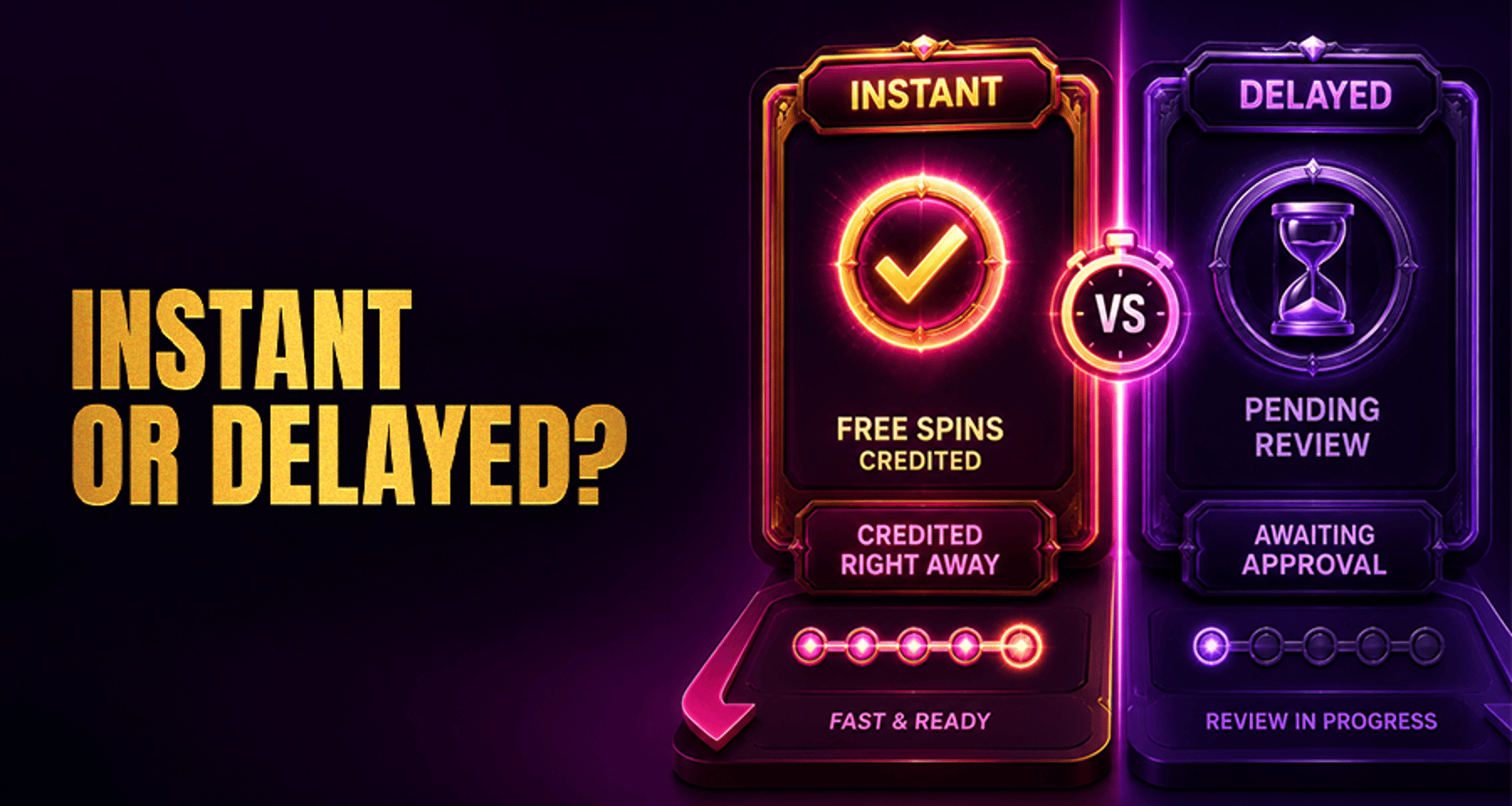
The exchange has not yet sent the transaction. In your withdrawal history, the status may show:
pending
processing
under review
awaiting approval
If you do not have a transaction hash yet, the delay is usually still on the exchange side.
Blockchain delay
The exchange has sent the transaction, and you have a transaction hash, but the network is still confirming it. In this case, the delay is no longer caused by the exchange alone.
Casino delay
The transaction is confirmed on-chain, but the casino has not credited the deposit or finalized the payout. At that point, casino processing rules become more relevant, including internal review, account checks, deposit rules, or payout queue timing. For a broader look at that side of the issue, see Casino Withdrawal Issues Why Casinos Delay Payouts.
Exchange-side checks that can slow a casino withdrawal
KYC and account review
If your identity verification is incomplete, outdated, or recently changed, the exchange may pause withdrawals for review. This can also happen after password resets, new device logins, or security-setting updates.
AML and risk checks
Exchanges monitor withdrawals for anti-money laundering and fraud risk. A larger-than-usual transfer, a sudden change in behavior, or a destination linked to higher-risk activity may trigger additional screening.
Unusual activity flags
Even fully verified accounts can be delayed if the exchange detects patterns outside your normal usage, such as:
sending a much larger amount than usual
withdrawing soon after a deposit
rapid account changes before the transfer
repeated attempts across different networks
Destination wallet screening
Some exchanges screen destination addresses before releasing funds. If the target wallet is associated with gambling services, flagged clusters, or unclear source patterns, the withdrawal may be delayed for extra review.
Withdrawal batching
Many exchanges batch withdrawals instead of broadcasting each one instantly. This improves operational efficiency but can create a wait, especially during busy periods.
Hot wallet shortages
Some platforms process withdrawals from hot wallets with limited liquidity. If the exchange needs to rebalance funds from cold storage or refill operational wallets, your transfer can be delayed.
Scheduled maintenance
Wallet maintenance, chain upgrades, or temporary suspension of deposits and withdrawals can pause transfers completely. This is one of the simplest causes to verify, and many users overlook it.
Blockchain confirmation and network issues that affect timing
Even after the exchange sends your crypto, the transfer may still take longer because of network conditions.
Congestion
Busy blockchains process transactions more slowly, especially when activity spikes. Confirmation speed depends on the network, current load, and how the transaction was submitted.
Low-fee processing
On some networks, lower transaction fees can lead to slower inclusion in blocks. If the exchange uses conservative fee settings during heavy traffic, the withdrawal may stay pending on-chain longer than expected.
Required confirmation counts
Casinos often wait for a specific number of confirmations before crediting a deposit. That means a transaction can appear on-chain but still remain unavailable in your casino account until enough blocks are confirmed. For example, a deposit may show as detected after the first confirmation but still stay pending until the casino's full threshold is reached.
Token and network mismatch risks
A common problem is sending a token on the wrong network. For example, choosing one chain while the casino only supports another can make the transfer look delayed when it is actually incompatible or stuck pending manual resolution.
Before sending, it helps to review broader payment compatibility guidance such as Casino Payment Methods Compared Speed Safety Fees.
How casino deposit and withdrawal rules can add extra waiting time
This article focuses on exchange-side timing, but casino-side rules can still extend the total wait.
For deposits, the casino may require:
a minimum deposit amount
a supported token and network match
a set number of confirmations before crediting
For withdrawals or winnings sent back through an exchange, the casino may also apply:
internal account review
pending status checks
wagering verification
payout queue processing
So even if the exchange completes its part quickly, the casino may still need time to process the incoming or outgoing transfer.
What to check if your crypto transfer is still pending
Use this checklist to diagnose the bottleneck.
1. Confirm the withdrawal status in the exchange history
Look for the exact label in your exchange account:
pending or processing usually means the exchange has not sent it yet
completed or sent usually means it has left the exchange
under review suggests risk or compliance checks
2. Verify the network used
Make sure the token and network match what the casino supports. A correct asset on the wrong chain can cause long delays or failed crediting.
3. Check for a transaction hash
If the exchange issued a transaction hash, track it on the relevant block explorer. This shows whether the transfer is confirmed, still pending, or failed.
4. Confirm the deposit address accuracy
Double-check that the destination address matches the casino deposit address exactly and that you used the right chain for that address.
5. Review casino deposit minimums and processing rules
If the amount is below the casino minimum, or if the casino needs more confirmations than expected, the funds may not be credited right away.
6. Contact support with full transaction details
If needed, send support:
the asset name
the amount
the network used
the destination address
the transaction hash
the time submitted
screenshots of the status page
That makes it much easier for the exchange or casino to locate the issue.
How to reduce delays on future exchange-to-casino transfers
A few simple habits can lower the chance of delays.
Complete verification early
Finish KYC and security setup before you need to move funds. Last-minute verification issues often create avoidable delays.
Use the correct network every time
Always confirm that the casino supports the exact token and blockchain you select.
Avoid last-minute large transfers
Large or unusual withdrawals are more likely to trigger review. If timing matters, avoid making your first big transfer right before you want to play or cash out. It also helps to check platform caps and account tiers in advance, especially if your transfer may run into daily or per-transaction limits. This guide to crypto casino transaction limits and withdrawals can help you understand where size restrictions may affect timing.
Check maintenance and status notices first
Look for exchange wallet maintenance, network congestion notices, and casino deposit alerts before sending funds.
Understand fees and transfer conditions
Fee settings and payment route choices can affect both cost and timing. For a closer look, read Crypto Casino Withdrawal Fees Save More On Payouts.
Choose payment methods that fit your timing needs
If speed is your priority, compare options before moving money. This guide to Best Online Casino Payment Methods Fast Safe 2026 can help you evaluate what may work best for deposits and withdrawals.
Final thoughts
When a crypto transfer to or from a casino is delayed, do not assume the casino is automatically at fault. Start by identifying whether the delay is happening at the exchange, on the blockchain, or at the casino.
If the exchange has not issued a transaction hash, the delay is usually still on the exchange side. If the transaction is on-chain, confirmation speed and casino crediting rules matter next.
Before your next transfer, check platform rules, network details, supported deposit methods, and support documentation in advance. A little preparation can reduce delays and make crypto deposits and withdrawals much smoother. If you want more context before moving funds, HunnyPlay's crypto payment guidance can help you compare methods, fees, and common payout issues.